How Regulatory Shifts Shape Mobile Progressive Slot Bonus Strategies for Quebec Players
Jordan Schmid · Aug 25, 2026
How Regulatory Shifts Shape Mobile Progressive Slot Bonus Strategies for Quebec Players
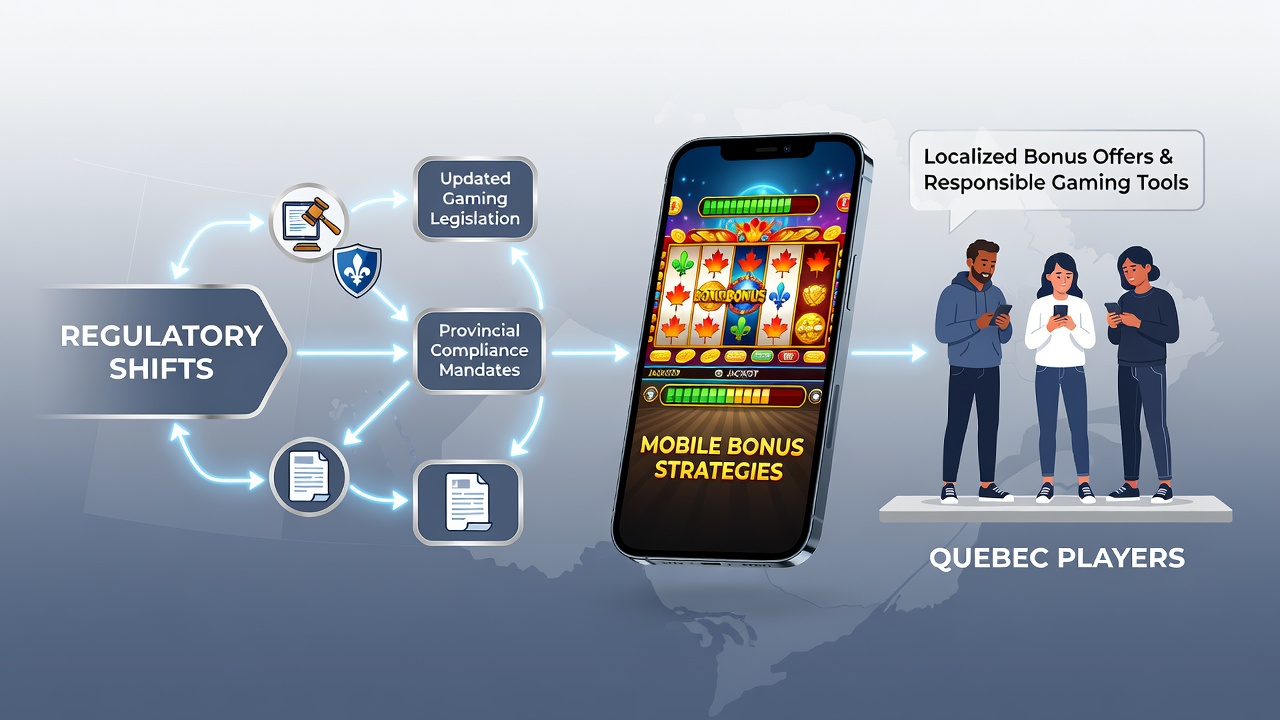
Regulatory changes in Quebec continue to influence how operators design and deliver mobile progressive slot bonuses, with adjustments to player eligibility, contribution rates, and payout structures appearing across multiple platforms since the early 2020s, and further modifications scheduled for implementation in August 2026 according to updates from provincial oversight bodies. These shifts require providers to recalibrate bonus mechanics so that progressive jackpots remain compliant while still attracting Quebec-based users who access games through smartphones and tablets.
Key Regulatory Developments Affecting Bonus Mechanics
Provincial authorities have introduced updated guidelines on how progressive contributions accumulate from bets placed on mobile devices, which means operators must track each wager separately and apply different percentages when funds come from Quebec residents versus players in other jurisdictions. Data from industry reports shows that these tracking requirements have led several major platforms to segment their progressive pools, ensuring that only compliant contributions feed into jackpots available to Quebec users. Observers note that such segmentation prevents cross-border fund mixing and aligns with broader efforts to maintain transparency in mobile gaming environments.
One notable adjustment involves stricter rules around bonus wagering requirements tied to progressive slots, where operators now calculate playthrough thresholds based on the specific mobile session rather than aggregated account activity. This approach stems from recent amendments that emphasize real-time verification, forcing developers to integrate new APIs that monitor session length, bet size, and device location simultaneously. Those who've studied similar transitions in other Canadian provinces recognize that these technical demands increase development costs yet reduce the risk of non-compliance penalties.
Impact on Bonus Strategy Design for Mobile Platforms
Operators responding to these rules have begun offering tiered bonus structures that scale according to the size of the progressive pool at the moment of play, with smaller increments granted during peak hours when regulatory audits occur more frequently. Research indicates that this tiering helps maintain player engagement without violating contribution caps, since larger bonuses can trigger additional reporting obligations under the updated framework. Platforms achieve this by dynamically adjusting free spin allocations or multiplier values in response to live regulatory feeds that update every few minutes.
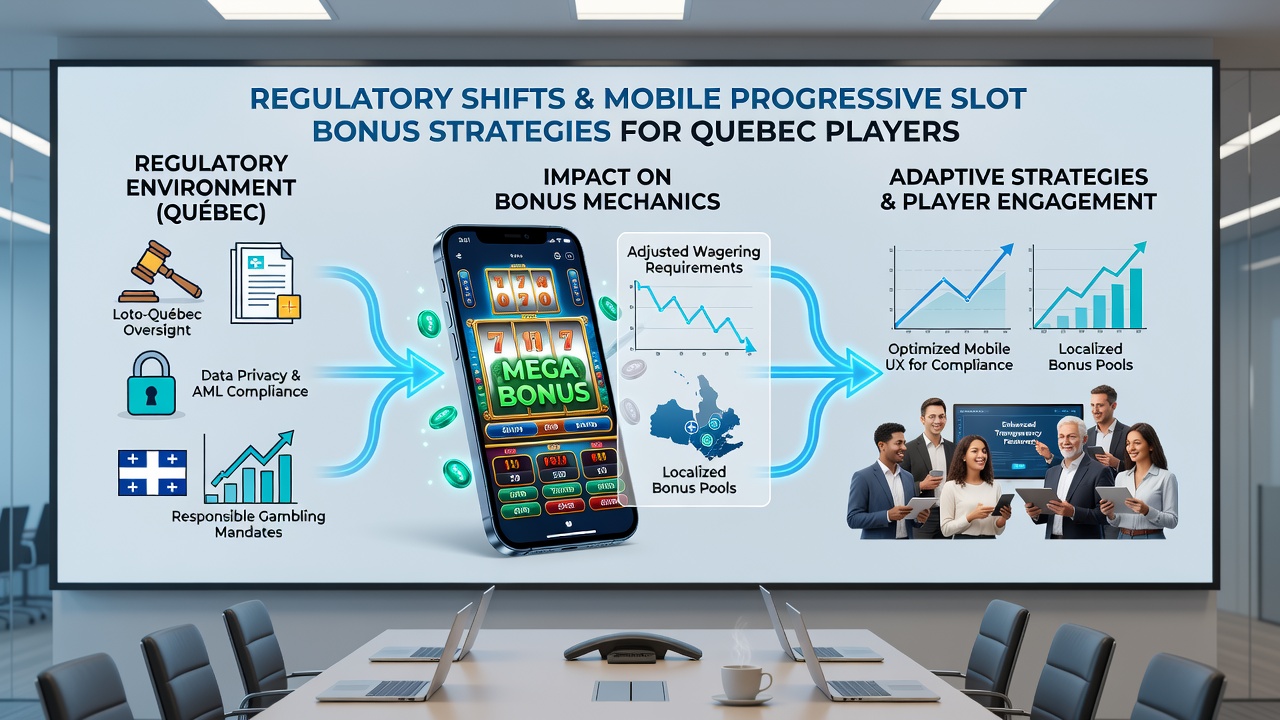
What's interesting is how some providers incorporate geofencing technology directly into their bonus engines so that Quebec players receive offers calibrated to local tax and contribution rates while users elsewhere see different incentives. This geographic customization became more prevalent after regulators clarified that mobile sessions originating within provincial borders must follow distinct bonus calculation formulas. Figures from compliance audits reveal that adoption of such technology has grown steadily, with multiple operators reporting reduced dispute rates once location-based rules were applied consistently.
Technical Adaptations and Compliance Tools
Developers have integrated automated compliance modules that pause progressive contributions whenever a mobile session approaches regulatory thresholds, allowing the system to recalculate eligibility before resuming play. These modules draw on data streams from both the game server and provincial verification services, which exchange information in near real time to confirm player status. Studies conducted by academic researchers in North American gaming programs highlight that such automation reduces manual oversight needs and speeds up audit responses when authorities request session logs.
Another adaptation involves revised bonus expiry policies that align with new retention periods mandated for Quebec mobile users, meaning unclaimed progressive rewards must remain active longer than they did under previous rules. Providers handle this by extending validity windows automatically based on the player's registration province, which requires additional database fields but prevents premature forfeiture that could draw regulatory scrutiny. External analyses from sources such as the Canadian Gaming Association show that these policy extensions correlate with higher player retention metrics across tested platforms.
Future Outlook and August 2026 Changes
Preparations for the August 2026 regulatory updates focus on enhanced reporting of mobile progressive bonus triggers, where operators will need to submit detailed breakdowns of jackpot contributions within 24 hours of any significant payout event. This timeline demands that systems already in place receive further refinements to handle faster data exports without interrupting live gameplay. Those monitoring the sector point out that early adopters of modular compliance architectures stand better positioned to meet the new deadlines compared with legacy setups still reliant on batch processing.
Conclusion
Overall, regulatory shifts in Quebec continue driving measurable changes in how mobile progressive slot bonuses are structured, funded, and delivered to local players. Operators that invest in flexible systems capable of handling location-specific rules, real-time tracking, and accelerated reporting demonstrate stronger alignment with evolving requirements. Data collected through 2025 and into the first half of 2026 suggests these adaptations will remain central to maintaining compliant and competitive offerings as the August deadline approaches.