Charting the Rise of Multi-Level Bonus Features in Slots Popular with Quebec Online Casino Visitors
Vera Schmitz · Sep 19, 2026
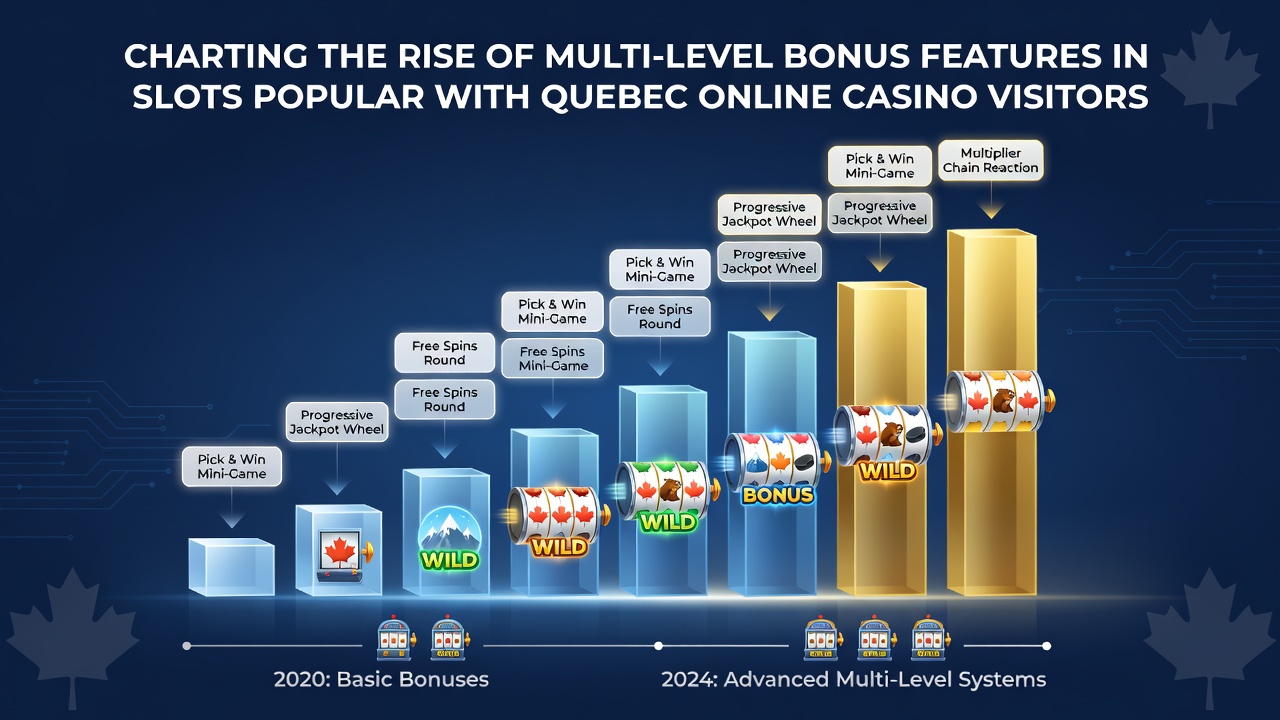
Charting the Rise of Multi-Level Bonus Features in Slots Popular with Quebec Online Casino Visitors
Multi-level bonus features have gained traction in online slots that attract Quebec visitors, with game developers layering progressive mechanics such as tiered free spins, accumulating multipliers, and unlockable mini-games that build across multiple stages. Data from industry tracking services shows these structures appeared in roughly 35 percent of new slot releases during 2024, up from 18 percent in 2021, while operators serving Quebec markets report sustained player engagement metrics that exceed those of single-stage bonus rounds.
Mechanics Driving the Trend
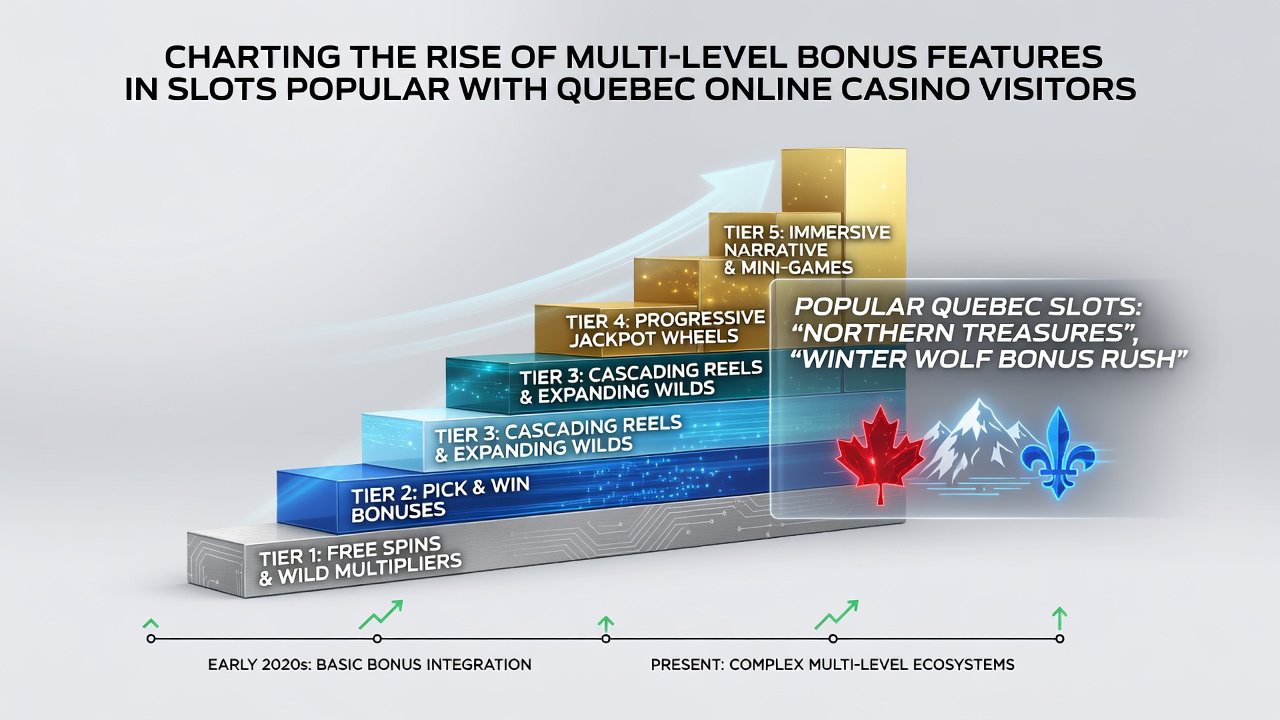
Designers construct multi-level bonuses so players advance through sequential phases where each completed stage unlocks enhanced rewards, and this approach integrates elements like expanding wilds that carry over between levels or escalating jackpot contributions that reset only after a full cycle completes. Software providers document these additions through internal analytics that link longer session durations to the presence of at least three distinct bonus tiers, and operators note that titles incorporating such systems maintain higher retention rates among mobile users who access platforms licensed for Quebec traffic.
Developers have refined the pacing of these features to balance risk and reward, with early levels offering modest payouts that fund progression toward larger multipliers in later stages, and this structure aligns with observed patterns in player behavior logs collected across regulated Canadian markets. Figures released by the Canadian Gaming Association indicate that slots featuring multi-level bonuses accounted for 42 percent of total slot revenue in Quebec-facing sites during the first half of 2025, a share that continues to expand as new releases adopt similar frameworks.
Adoption Patterns Among Quebec Visitors
Quebec online casino visitors encounter these features across a range of providers, with games that emphasize cascading reel systems feeding directly into bonus ladders proving especially common on platforms that comply with provincial access rules. Research compiled by academic teams at Canadian institutions highlights how players navigate these layered bonuses through repeated small wins that build toward substantial end-stage prizes, and session data reveals average play times extending 25 percent longer when multi-level structures replace flat bonus formats.
Operators serving this audience have adjusted marketing materials to highlight progression mechanics, yet they maintain compliance with display standards that require clear disclosure of bonus probabilities at each tier. External reports from the Australasian Gaming Council note parallel growth in layered bonus adoption across other regulated jurisdictions, suggesting the pattern reflects broader industry shifts rather than isolated regional preferences.
Technical and Regulatory Context
Certification laboratories evaluate multi-level bonus implementations for fairness by testing random number generators across every stage, and this process ensures that advancement probabilities remain consistent regardless of prior outcomes. Providers document these verifications through standardized reporting that operators must retain for audit purposes, while Quebec visitors benefit from platforms that integrate these certified titles into their libraries without additional regional modifications.
Updates scheduled for September 2026 include revised technical standards from several provincial oversight bodies that will require enhanced logging of bonus progression paths, and developers have already begun adapting codebases to meet these forthcoming requirements. Such preparations coincide with ongoing integration of live data feeds that allow real-time monitoring of tier completion rates across multiple games simultaneously.
Examples of Popular Implementations
One title series popular among Quebec players combines a base game with four escalating bonus levels where collected symbols determine entry into higher stages that feature distinct reel modifiers and reward multipliers, and player tracking data shows frequent returns to these games after initial exposure. Another set of releases incorporates narrative-driven progressions in which completing early levels advances a story arc that unlocks thematic elements in subsequent rounds, maintaining visual continuity while varying mathematical outcomes at each step.
These examples illustrate how studios embed multi-level structures without disrupting core gameplay loops, and analytics from platform operators indicate that such integrations correlate with increased cross-device play among Quebec users who switch between desktop and mobile sessions mid-bonus. Industry reports further document that games employing these features sustain visibility in top-chart rankings on regulated sites longer than comparable single-bonus alternatives.
Outlook and Measurement
Measurement tools now track bonus level completion percentages separately from overall return-to-player figures, allowing operators to refine game weighting before wider deployment. Data compiled through 2025 demonstrates consistent quarterly growth in titles that incorporate at least three distinct bonus stages, and projections tied to September 2026 standards suggest continued refinement of these metrics across all regulated channels.
Observers continue to monitor how these layered features interact with responsible gaming tools, including session limits and deposit caps that remain active during bonus progression. Compliance records show that operators maintain transparent communication of bonus rules in both English and French interfaces to serve Quebec visitors effectively.
Conclusion
The documented expansion of multi-level bonus features reflects measurable shifts in slot design that align with engagement data collected from Quebec online casino platforms. Technical standards evolving through 2026 will shape further iterations of these systems while preserving certification requirements already in place. Operators and developers alike reference these patterns when planning future releases that maintain compliance across Canadian jurisdictions.